
Kids & Teen Life: Gambling Concerns for Youth
March
Teens and Gambling
 It’s game night at a college dorm. A group of friends sits on the couch with pizza boxes everywhere and phones in their hands. The crowd cheers as the clock runs out—but not because their favorite team won. They’re cheering because their bets won. One student groans, another pumps his fist, and someone yells, “I knew that team would cover!” Scenes like this are happening more often now that betting apps are everywhere. But here is the truth: sports betting isn’t really about being a sports expert. It’s about math. Check out the information addressed in the topics below:
Teen Sports Betting: Why the House Always Wins
How the “House” Always Wins
The "Almost Won" Trick
The Digital Trap: Micro-betting
What Parents Can Say
Getting Help
Help is available, and you don’t have to wait until things get worse. The sooner families reach out, the sooner they can start finding healthy ways forward — together.
Teen Sports Betting: Why the House Always Wins - Partnership to End Addiction
Our Kids and Gambling
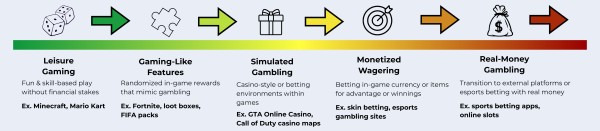
The Illinois Council on Problem Gambling (ICPG) Newsletter shares that studies show that adolescents exposed to gambling-like gaming features are more likely to engage in real-money gambling before adulthood and face higher risks of gambling-related harm later in life. If you are working with youth, check out some signs to watch for:
- youth downplaying in-game purchases that mimic gambling;
- youth normalizing betting behaviors through video games and esports,
- parent unaware of how easily accessible gambling-like features are within popular games.
- The illustration shows a common pathway young people may take—from casual gameplay to gambling-like behaviors and beyond.
The Gift Responsibly Campaign
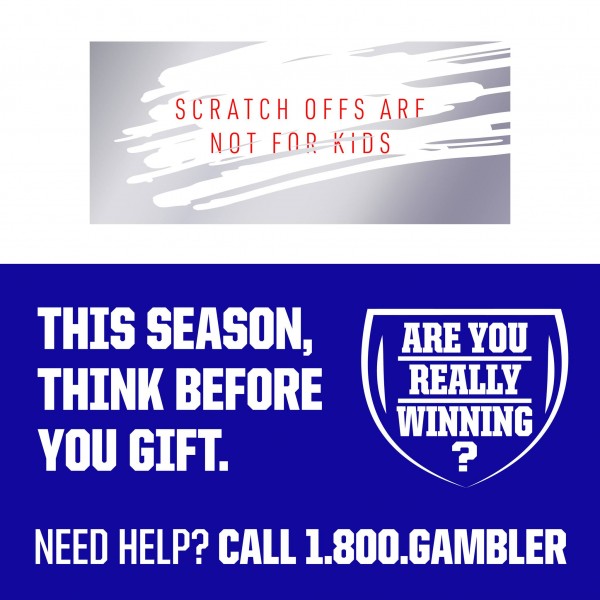
The Gift Responsibly Campaign raises awareness about the risks of youth gambling and educates communities on the dangers of buying lottery tickets for children. Public education campaigns, like the Gift Responsibly Campaign, play an important role in changing social norms and providing basic facts and education. The following guidelines highlight the educational components of the Campaign and explains how to avoid triggering, stigmatizing, and demeaning language or imagery.
Campaign Guidelines:
- Use #GiftResponsibly when posting about the Campaign on social media.
- The Gift Responsibly Campaign is not a pro or anti-gambling initiative, rather it is designed to support responsible gambling practices.
- Campaign features non-judgmental, non-stigmatizing, and non-demeaning language.
- Campaign graphics may not feature any type of gambling related imagery.
- Lottery participants are encouraged to avoid placing explicit sales messages in Campaign materials.
- Children should not be used as part of the Campaign graphics or imagery.
- The Gift Responsibly Campaign can be used both during the holiday season and year-round to promote responsible gifting for all occasions.
- Recognize that many different faiths and communities have events during the winter holiday season.
- Organizations are free to use the provided materials or create their own. When using NCPG provided materials and assets, it is requested that for consistency you follow the style guidelines found in the toolkit.